Use of Neuroscience in the Personal Development Field
In recent years, the use of neuroscience in the personal development field has become an increasingly popular and powerful tool for individuals seeking to improve their lives.
From understanding how the brain works to harnessing its neuroplasticity, personal development experts are now combining modern science with traditional self-help techniques to drive real change.
Thought leaders such as Dr. Joe Dispenza, Dr. Caroline Leaf, and Dr. Daniel Amen have shed light on how rewiring the brain can lead to profound personal growth, happiness, and success.
In this article, we’ll explore how neuroscience is applied in personal development, breaking down the science behind how the brain functions, discussing key research findings, and revealing how you can use these insights to transform your life.
Whether you want to improve your habits, rewire negative thought patterns, or simply become the best version of yourself, neuroscience offers practical tools to achieve personal breakthroughs.
What is Neuroscience?
Before we dive into how neuroscience can be applied to personal development, it’s essential to understand what neuroscience is.
Neuroscience is the study of the nervous system, particularly the brain, and how it affects behavior and cognitive functions.
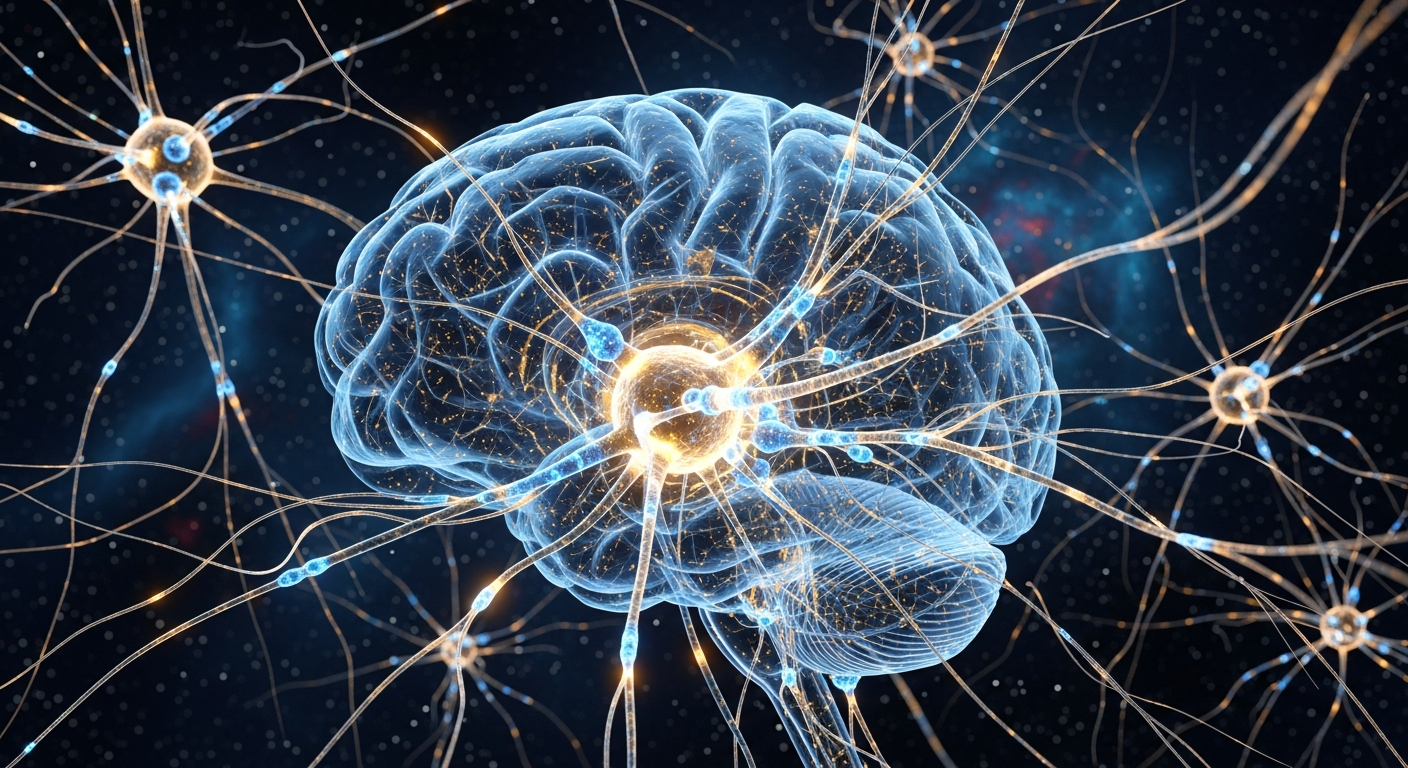
It explores how neurons (nerve cells) communicate with one another, how the brain processes information, and how this processing influences everything from our thoughts and emotions to our actions.
For personal development enthusiasts, neuroscience provides a blueprint to understand how we can change our brain to change our lives.
It reveals that the brain is not a static organ but rather an adaptable one that evolves through experiences, behaviors, and even thoughts. This adaptability, known as neuroplasticity, is the foundation of personal development based on neuroscience.
How Neuroscience Connects to Personal Development
The use of neuroscience in the personal development field bridges the gap between scientific understanding and practical self-improvement strategies.
At its core, personal development is about becoming the best version of oneself by improving various aspects of life, such as mental health, productivity, relationships, and emotional well-being.
Neuroscience supports these goals by providing insight into how the brain functions and how specific behaviors and thought patterns can rewire the brain for success.
For instance, by understanding how neurons fire and form connections, we can learn to break negative thinking patterns and replace them with empowering thoughts.
We also gain insight into how our emotional responses are processed in the brain, which helps us manage stress, anxiety, and fear more effectively.
Techniques rooted in neuroscience, such as mindfulness, meditation, and visualization, are now widely used in personal development because they are proven to change the brain’s structure and improve overall well-being.

Neuroplasticity: Rewiring the Brain for Personal Growth
One of the most exciting developments in neuroscience, particularly when applied to personal development, is the concept of neuroplasticity. Neuroplasticity refers to the brain’s ability to reorganize itself by forming new neural connections throughout life.
This means that our brains are not “hard-wired” or fixed, as once believed. Instead, they are adaptable and capable of change, even in adulthood.
Dr. Joe Dispenza, a leading figure in the personal development field, is famous for his work on neuroplasticity. He has demonstrated through his research that we can change our brains simply by changing our thoughts.
Dispenza argues that the brain does not know the difference between a real experience and one that is vividly imagined, which is why visualization exercises can create new neural pathways.
His approach teaches individuals how to use meditation and focused thought to create new, positive connections in the brain that ultimately transform their external reality.
Key Example: Dr. Joe Dispenza’s Research
Dr. Dispenza’s work centers around using meditation to alter brainwave patterns and promote healing. Through his studies, he has found that individuals who regularly meditate can experience significant changes in the brain, particularly in regions associated with emotion regulation, focus, and self-awareness.
His findings suggest that by changing the brain, we can overcome limiting beliefs, habits, and even chronic health conditions.
Neuroplasticity, therefore, gives us the power to shape our own brains and create the mental and emotional conditions necessary for personal growth.
Key Figures in Neuroscience and Personal Development: Joe Dispenza and More
In addition to Dr. Joe Dispenza, several other prominent figures have made significant contributions to the intersection of neuroscience and personal development.
These experts have applied scientific research to personal transformation, providing actionable insights for those seeking self-improvement.
1. Dr. Caroline Leaf
Dr. Caroline Leaf is a cognitive neuroscientist and author who has spent decades studying how the brain works.
She is known for her work on the mind-brain connection, which explores how our thoughts can affect physical brain structures. Dr. Leaf emphasizes that toxic thinking can lead to mental and physical illnesses, but by intentionally focusing on positive thoughts, we can rewire our brains for health and success.
2. Dr. Daniel Amen
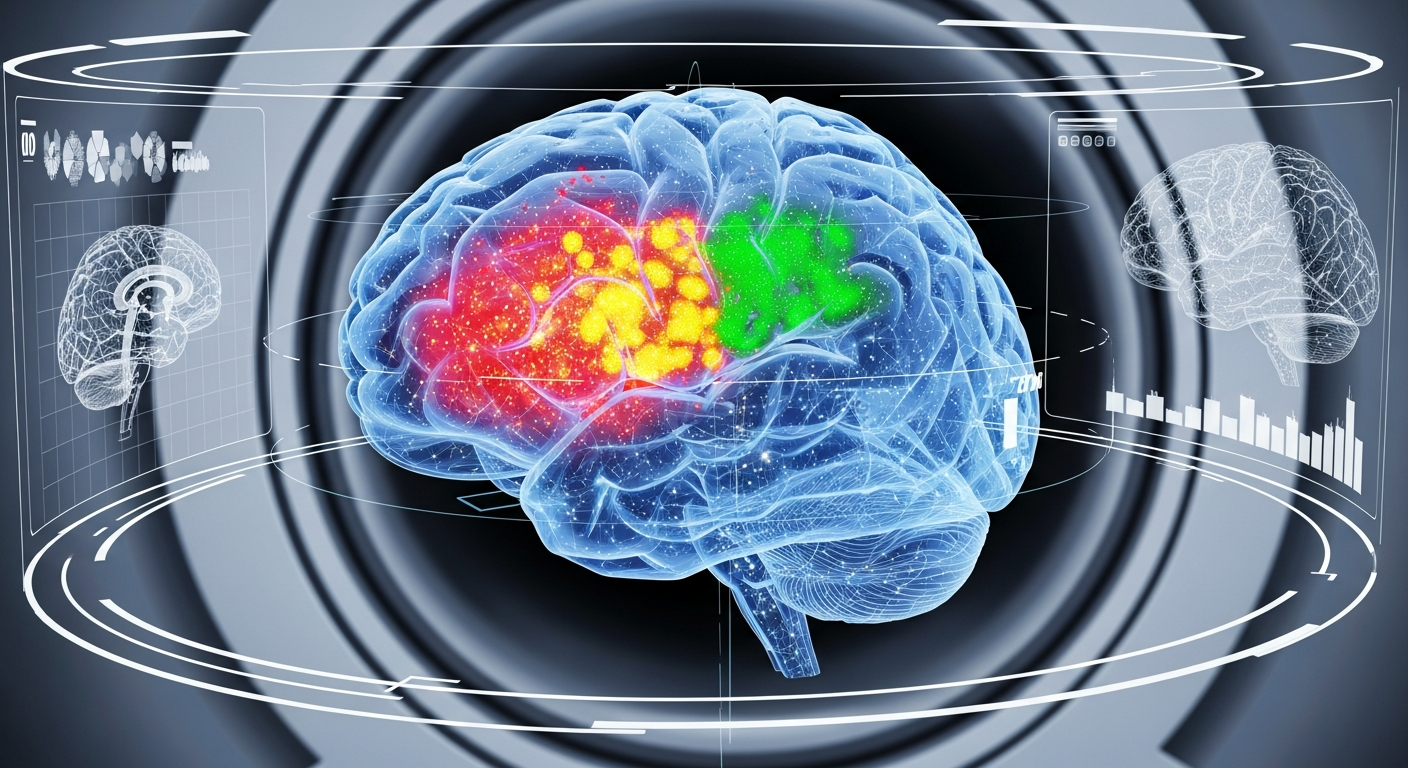
Dr. Daniel Amen, a psychiatrist and brain health expert, has used brain imaging to study how different behaviors and thought patterns impact brain function.
He advocates for the use of brain scans to identify areas of underperformance in the brain and offers solutions such as diet changes, mental exercises, and supplements to optimize brain health and, in turn, personal development.
3. Dr. Tara Swart
Dr. Tara Swart is a neuroscientist and leadership coach who focuses on how understanding the brain can improve decision-making, creativity, and emotional intelligence.
Her work emphasizes the importance of nourishing the brain through proper nutrition, sleep, and mindfulness to achieve personal and professional success.
The Science of Habits: How to Build and Break Them Using Neuroscience
One of the most practical applications of neuroscience in personal development is its insight into habit formation.
Habits are automatic behaviors that are formed when neural pathways are reinforced through repetition. Understanding how habits work at the neural level can help us break bad habits and create new, positive ones.
The Habit Loop is a concept that explains how habits are formed in the brain. It involves three key stages:
- Cue: A trigger that initiates the habit.
- Routine: The behavior itself.
- Reward: The positive reinforcement that encourages the repetition of the behavior.
By identifying the cues and rewards in our existing habits, we can consciously rewire our brains to adopt new routines.
For instance, if you want to build the habit of exercising regularly, you could create a cue (like setting out your workout clothes the night before), perform the routine (exercising), and give yourself a reward (a healthy snack or sense of accomplishment).
Breaking Bad Habits
Breaking bad habits involves weakening the neural connections associated with those behaviors. Neuroscientist Dr. Wendy Wood has shown that habits are deeply ingrained in the brain’s basal ganglia, a region responsible for automatic behavior.
The key to breaking a habit is not necessarily willpower but changing the environment or cues that trigger the behavior.
Replacing bad habits with positive ones strengthens new neural pathways while allowing the old, unwanted pathways to diminish over time.
Emotions and the Brain: Managing Stress, Anxiety, and Fear
Neuroscience has also provided valuable insights into how emotions are processed in the brain and how we can manage them more effectively.
The amygdala, a region of the brain responsible for processing fear and stress, plays a significant role in how we react to challenging situations. When the amygdala is overactive, it can lead to chronic stress, anxiety, and even depression.
Through practices like mindfulness meditation and breathing exercises, we can train our brains to regulate emotional responses better.
Research from Dr. Richard Davidson at the University of Wisconsin-Madison has shown that regular mindfulness practice can reduce activity in the amygdala, making individuals more resilient to stress and anxiety.
Dr. Joe Dispenza’s meditation techniques also focus on calming the nervous system and reprogramming emotional responses.
By learning how to quiet the mind and enter deeper meditative states, individuals can reduce the emotional charge around negative memories or fears, leading to greater emotional freedom and personal growth.
Practical Applications of Neuroscience in Personal Development
The use of neuroscience in the personal development field isn’t just about theory—it’s about practical application. Here are several ways you can start using neuroscience-based techniques to improve your personal growth:
1. Mindfulness and Meditation
Both mindfulness and meditation have been scientifically proven to change the structure of the brain, increasing gray matter in areas responsible for memory, empathy, and emotional regulation. Start with just 10 minutes a day to calm your mind, increase focus, and reduce stress.
2. Visualization
As Dr. Joe Dispenza teaches, the brain can’t differentiate between real and imagined experiences. Use visualization exercises to imagine the life you want to create, visualizing your goals in vivid detail to strengthen neural pathways associated with those outcomes.
3. Journaling
Writing down your thoughts can help rewire your brain by identifying negative thought patterns and replacing them with more constructive
ones. Neuroscientific studies show that when we write things down, particularly our goals and aspirations, we activate the brain’s Reticular Activating System (RAS), which helps focus our attention on opportunities that align with what we’ve written. This process reinforces new neural pathways and encourages positive change.
4. Habit Stacking
To build new, productive habits, neuroscientist BJ Fogg recommends the practice of habit stacking. This involves pairing a new habit with an already established one.
For example, if you want to start meditating, you could pair it with an activity you already do regularly, like having your morning coffee.
Over time, the neural pathways associated with both habits become intertwined, making the new habit easier to maintain.
5. Gratitude Practices
Practicing gratitude has been shown to have a profound impact on the brain. Studies by Dr. Alex Korb have found that expressing gratitude can increase dopamine production, the brain’s feel-good chemical, and strengthen neural circuits related to emotional regulation.
Regular gratitude journaling or simply reflecting on things you’re thankful for can help rewire your brain for more positive emotional experiences.
6. Sleep Optimization
Your brain processes and consolidates information while you sleep, which is critical for personal development. Dr. Matthew Walker, a sleep scientist, highlights how getting quality sleep enhances learning, memory, and emotional well-being.
Prioritizing sleep through good habits, such as avoiding screens before bed and creating a calming evening routine, allows the brain to repair and optimize its functioning, which directly impacts your ability to grow and develop as a person.
7. Cold Showers and Physical Challenges
While it may sound extreme, neuroscientific studies have shown that exposing your body to short-term physical stress, such as cold showers, can trigger positive changes in the brain.
Wim Hof, known for his methods involving cold exposure and breathwork, has demonstrated through scientific research that these techniques can activate the parasympathetic nervous system, improve mental clarity, and build resilience to stress.
Incorporating cold showers into your daily routine could help train your brain to handle discomfort and adversity more effectively.
The Future of Neuroscience in Personal Growth
The intersection of neuroscience and personal development is only set to expand in the coming years.
As technology advances, new tools and methods for studying the brain are emerging, giving us deeper insights into how we can optimize our mental, emotional, and physical well-being.
Neurofeedback, for example, is a growing field that allows individuals to monitor their brainwaves in real-time and adjust their mental state accordingly.
This technique has been shown to improve focus, reduce anxiety, and enhance overall cognitive performance. As neurofeedback becomes more accessible, it could become a staple in personal development programs, offering a more tailored and precise approach to brain training.
Additionally, developments in virtual reality (VR) and artificial intelligence (AI) are poised to revolutionize how we engage in personal growth.
VR environments that simulate stress-inducing scenarios could help individuals practice emotional regulation and resilience in a controlled setting, while AI-driven apps could offer personalized brain training based on individual cognitive patterns and needs.
The future of personal development may also involve more widespread use of brain-enhancing supplements (known as nootropics) that target specific neurotransmitters to boost mood, focus, and cognitive function.
These developments will likely lead to even more sophisticated ways to apply neuroscience to personal growth, helping people unlock their full potential.
Video – Neuroscience in the Personal Development Field
Final Thoughts: How You Can Use Neuroscience to Transform Your Life
The use of neuroscience in the personal development field is both an exciting and empowering concept. By understanding how the brain works, we can take a proactive role in shaping our thoughts, emotions, and behaviors to create a life of greater fulfillment and success.
Whether it’s through neuroplasticity, mindfulness practices, or habit-building strategies, neuroscience offers us practical tools to rewire our brains for personal growth.
The research by experts like Dr. Joe Dispenza, Dr. Caroline Leaf, and others provides a roadmap for anyone looking to break free from limiting beliefs, improve emotional regulation, and cultivate the mindset needed to achieve their goals.
It’s important to remember that personal development is a lifelong journey. The brain will continue to change and adapt as we learn and grow.
The more we apply these neuroscience-based techniques, the more we can reshape our reality and step into the best version of ourselves.
If you’re ready to dive deeper into how neuroscience can transform your personal growth journey, explore more of our articles on brain health, habit formation, and emotional mastery.
Start applying these powerful insights today to unlock your brain’s potential and achieve the success you deserve!
Free Law of Attraction Video Series
If you are serious about changing your life for the better, I have a special gift for you.
It is a package called “.
This is a FREE training in 10 modules that are going to help you understand how the Law of Attraction works and how to benefit from applying it the right way.
Reserve your spot now. Click the image below:

I hope you enjoyed the article!
If you liked it, I would appreciate it if you could share it using one of the social sharing icons.
Also, leave me a comment and let me know what you think – I love talking to readers, so hopefully, I will talk to you in the comments below.
Neuroscience in the Personal Development Field
About the Author


